
How to read your credit card statement: every line item explained
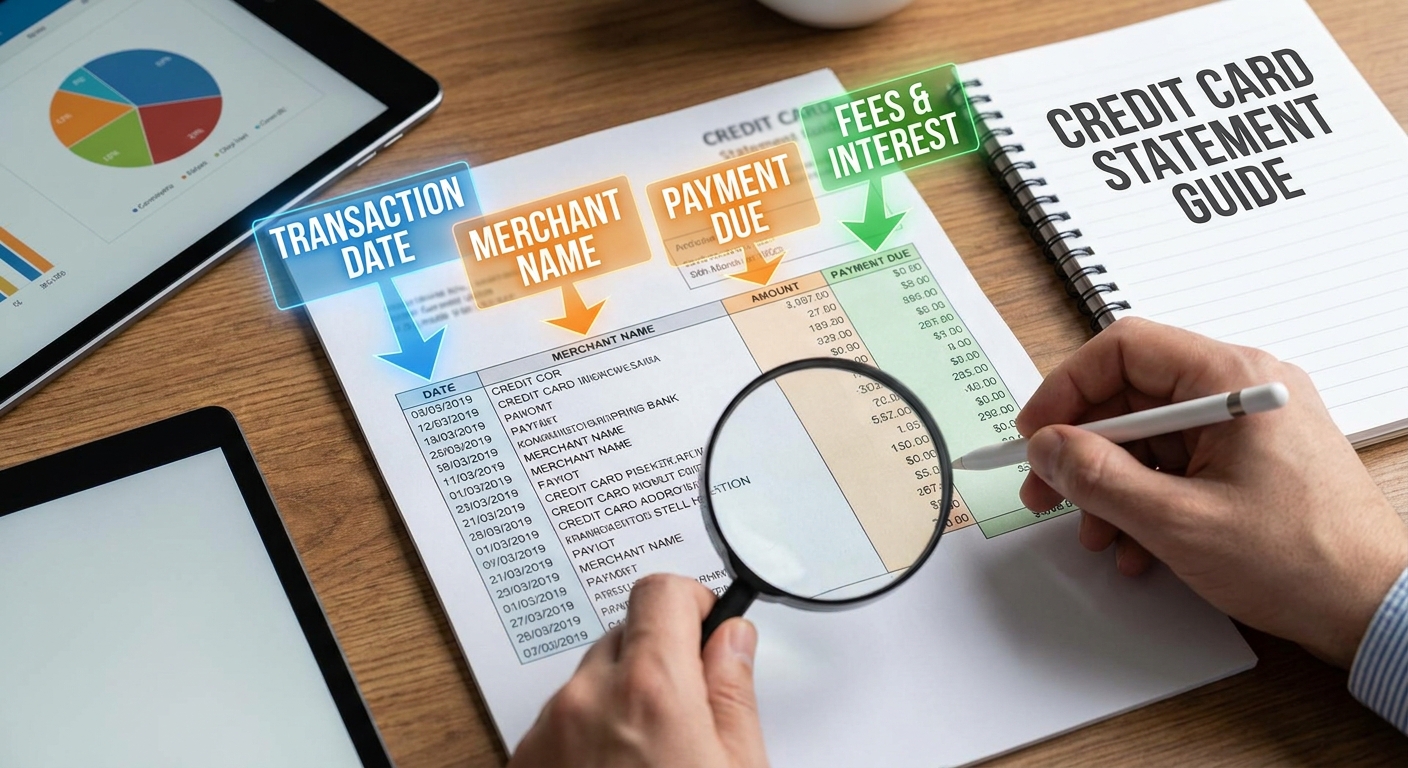
Ever ripped open that envelope (or clicked that email notification) from your credit card company, taken one look at the jumble of numbers and terms, and felt a wave of confusion wash over you? You're definitely not alone. For many of us, a credit card statement can look like a cryptic financial riddle, especially if you're not entirely sure what each line item means. But here's the good news: understanding your credit card statement is a superpower that empowers you to take control of your finances, avoid costly mistakes, and even protect yourself from fraud. Think of this article as your personal guide to deciphering your credit card statement, breaking down every section and explaining what you need to know.
It's more than just a bill; it's a detailed report of your spending habits, payments, and the health of your credit account. So, let's dive in and learn how to read your credit card statement like a pro!
The Anatomy of Your Credit Card Statement: Key Sections
While the exact layout might vary slightly between different credit card companies, most statements follow a similar structure. We'll go through the common credit card statement sections one by one, explaining what each part represents.
1. Account Summary: Your Financial Snapshot
This is often the first section you'll see, and it provides a quick overview of your account's activity during the billing cycle. It's like a mini-story of your credit card's month.
- Previous Balance: This is the total amount you owed at the end of your last billing cycle. It's the starting point for this month's calculations.
- Payments & Credits: Good news! This section lists all the payments you made towards your balance and any credits you received (like returns from a store). Make sure all your recent payments are accounted for here.
- Purchases & Other Charges: Here's where all your spending for the month is tallied up. This includes everything you bought using your card, plus any other charges like annual fees (if applicable) or foreign transaction fees.
- Cash Advances: If you've taken out a cash advance, this will be listed separately. Remember, cash advances usually come with higher APRs and often accrue interest immediately.
- Interest Charged: This is the amount of money the credit card company charged you for borrowing money. If you paid your previous balance in full by the due date, you might see "0.00" here, which means you avoided interest charges!
- New Balance / Total Balance Due: This is the grand total you owe at the end of the current billing cycle. It's calculated by taking your previous balance, adding new purchases/advances/interest/fees, and subtracting payments/credits. This is the big number you need to be aware of.
2. Payment Information: What You Owe and When
This critical section tells you exactly what you need to do to keep your account in good standing. Pay close attention to these credit card bill breakdown details!
- New Balance / Total Balance Due: As mentioned, this is the full amount you owe. Ideally, you should aim to pay this amount in full.
- Minimum Payment Due: This is the smallest amount you must pay by the due date to avoid late fees and keep your account current. While it keeps you from defaulting, paying only the minimum will mean you'll pay more in interest over time.
- Payment Due Date: Mark this on your calendar! This is the absolute deadline for your payment to be received by the credit card company. Missing this date can lead to late fees and a negative impact on your credit score.
- Late Payment Warning & Penalty Fee: Many statements include a warning about what happens if you pay late, often detailing the potential penalty fee and an increased penalty APR. This is a crucial line item to understand if you want to avoid extra charges.
3. Transaction Details: A Record of Your Spending
This is where you'll find a granular breakdown of every single transaction made during the billing cycle. It's like a detailed receipt for all your purchases and payments, helping you to explain credit card charges on your statement.
- Transaction Date: The actual date you made the purchase or the payment was processed.
- Posting Date: The date the transaction was officially recorded on your account by the credit card company. This might be a day or two after the transaction date.
- Merchant Name/Description: This tells you exactly where you used your card (e.g., "AMAZON.COM," "STARBUCKS #123," "WALMART SUPERCENTER"). Check this section carefully for any unfamiliar charges.
- Amount: The cost of each individual transaction.
- Transaction Type: This clarifies what kind of activity it was, such as "Purchase," "Payment," "Return/Credit," or "Cash Advance."
Reviewing these credit card statement line items diligently can help you spot errors or unauthorized transactions quickly.
4. Interest Charge Calculation & Annual Percentage Rates (APRs)
This section explains how your interest charges are calculated and the rates applied to different types of balances. It's key for understanding credit card statement interest.
- Purchase APR: This is the interest rate applied to your regular purchases if you don't pay your statement balance in full.
- Cash Advance APR: The (often higher) interest rate applied to cash advances.
- Balance Transfer APR: If you've transferred a balance from another card, this is the rate applied to that specific balance.
- Interest Charge Calculation: This usually includes a summary table showing how the interest was calculated, including the average daily balance for different categories (purchases, cash advances, etc.) and the corresponding interest rates.
5. Fees Summary: Beyond Interest
Credit card companies can charge various fees in addition to interest. This section provides a summary of all fees applied to your account during the billing cycle.
- Annual Fees: Some premium cards charge a yearly fee for the privilege of using them.
- Late Payment Fees: Charged if your minimum payment isn't received by the due date.
- Cash Advance Fees: A fee for taking out a cash advance, usually a percentage of the advance amount.
- Balance Transfer Fees: A fee for transferring a balance from another credit card.
- Foreign Transaction Fees: Charged for purchases made in a foreign currency or processed by a foreign bank.
Keep an eye on these charges to ensure you're not paying for anything unexpected in your credit card bill breakdown.
6. Rewards Summary (If Applicable)
If your credit card offers rewards (points, miles, cashback), this section will give you an update on your rewards balance and activity.
- Points/Miles Earned: How many rewards you accumulated from your spending this cycle.
- Points/Miles Redeemed: Any rewards you've used during the cycle.
- Current Rewards Balance: Your total accumulated rewards available for redemption.
7. Credit Account Information: Your Overall Credit Health
Often found towards the bottom of the statement, this section provides important details about your credit line and usage.
- Credit Limit: The maximum amount of credit you're allowed to use on the card.
- Available Credit: How much credit you have left to use before hitting your credit limit. This is calculated by subtracting your current balance from your credit limit. Keeping this number high (i.e., using a small portion of your total credit) is good for your credit score.
- Current Balance: The total amount you currently owe, including transactions that may not have appeared on the "New Balance" yet (if the statement closing date was before your payment).
- Statement Closing Date: The last day of the current billing cycle. Any transactions after this date will appear on your next statement.
- Days in Billing Cycle: The number of days covered by the statement.
Monitoring your what's on credit card statement for these details can help you manage your credit utilization, a key factor in your credit score.
8. Important Messages & Notices
Don't skip this! This section contains vital communications from your credit card issuer.
- Policy Changes: Information about upcoming changes to your card's terms and conditions, such as APR adjustments or fee changes.
- Promotional Offers: New balance transfer offers, rewards bonuses, or other special promotions.
- Fraud Alerts: Sometimes, this section might contain warnings about common scams or tips for protecting yourself from fraud.
Why Understanding Your Credit Card Statement Matters
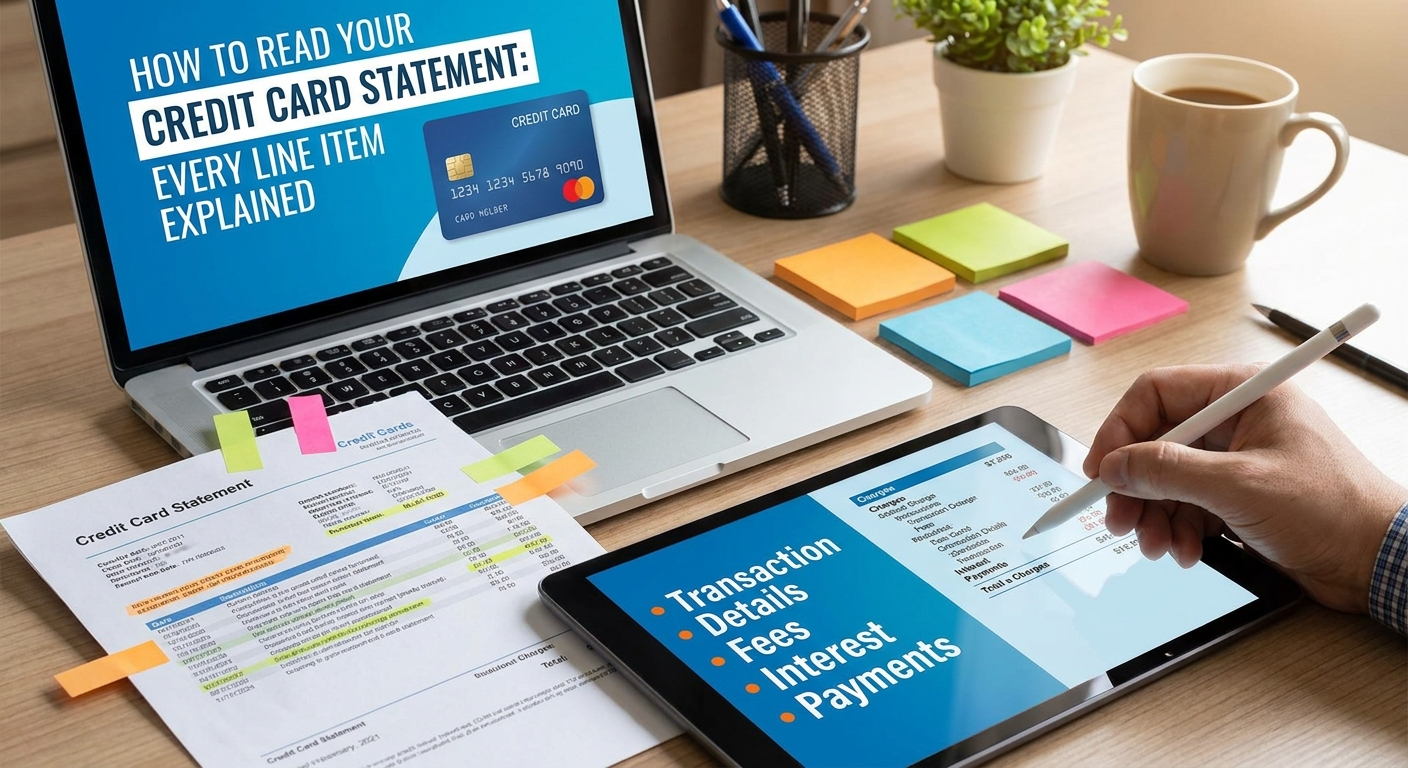
Now that you know every nook and cranny of your statement, let's quickly recap why this knowledge is so powerful.
- Budgeting & Financial Planning: Your statement is a detailed record of where your money went. It's an invaluable tool for tracking your spending, identifying areas to cut back, and sticking to your budget.
- Catching Errors & Fraud: Regularly reviewing your transactions allows you to quickly spot incorrect charges, double-billing, or even fraudulent activity. The sooner you report these, the better your chances of resolving them without financial loss.
- Avoiding Fees & Interest: By knowing your due date and minimum payment, you can avoid late fees. By understanding your APRs and aiming to pay your statement balance in full, you can significantly reduce or even eliminate interest charges.
- Monitoring Credit Health: Keeping an eye on your credit limit, available credit, and overall balance helps you manage your credit utilization ratio, a major factor in your credit score. Responsible use, as reflected in your statement, builds a strong credit history.
Conclusion: Empower Yourself Through Knowledge
You've done it! You now have a comprehensive guide to how to read your credit card statement, breaking down every single credit card statement line item. No more mystery, no more confusion. By taking a few minutes each month to review your statement, you're not just checking a bill; you're actively managing your financial health, protecting yourself from fraud, and making informed decisions about your money.
Don't let those numbers intimidate you. Embrace the power of understanding, and let your credit card statement become a tool for financial empowerment, not a source of dread. Keep learning, keep asking questions, and you'll be well on your way to mastering your financial future.
Want more insights into managing your finances and making smart money moves? Subscribe to our blog today for regular tips, guides, and expert advice directly to your inbox!
References & Sources
Consumer Financial Protection Bureau: Understanding your credit card statement